
Toyota Tundra Best Towing Package Explained
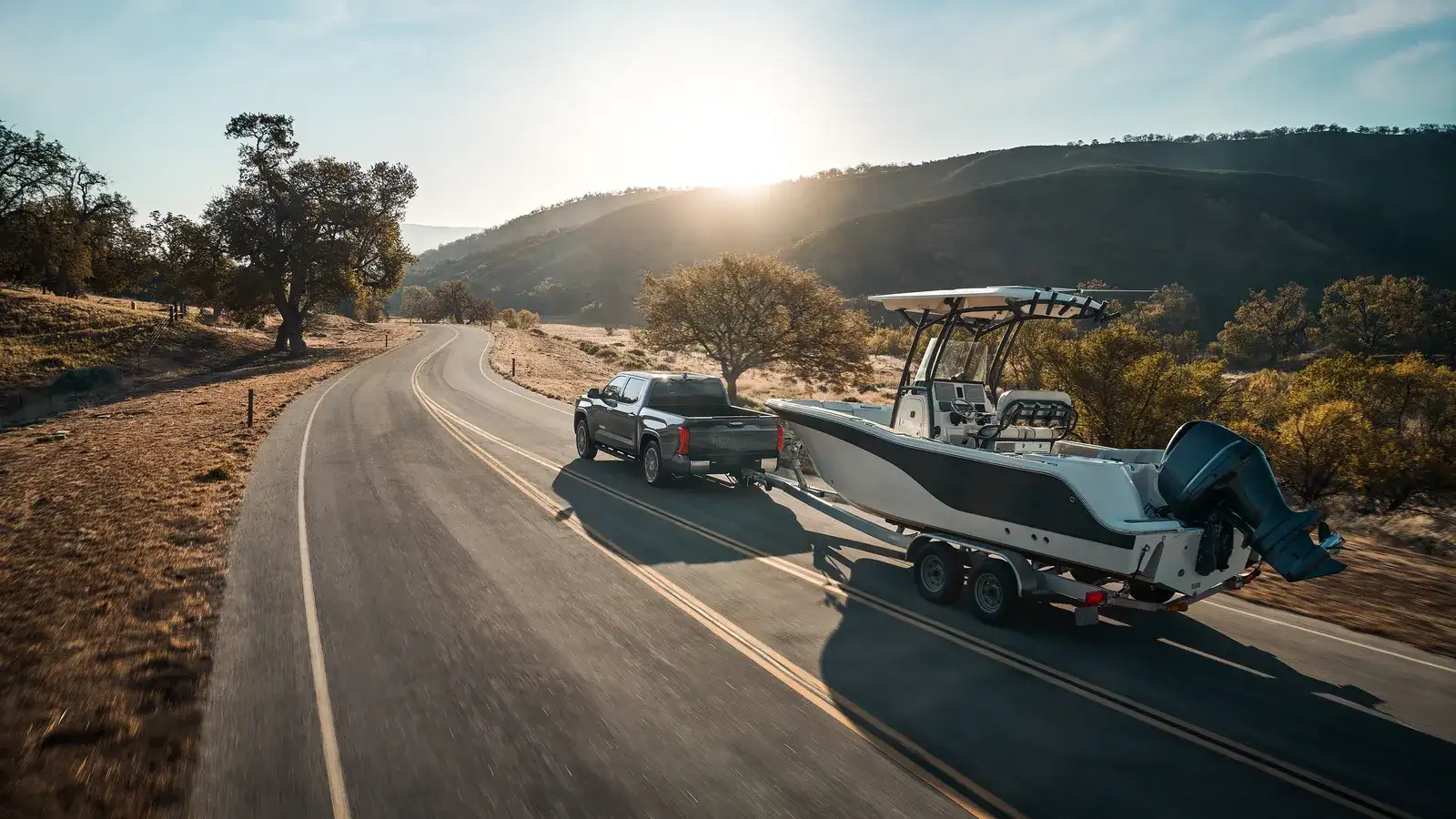
A Tundra that can pull a trailer is not automatically the Tundra that is best suited to pull your trailer. The Toyota Tundra best towing package comes down to more than a single option box: trailer weight, hitch weight, passenger load, bed length, drivetrain, and the equipment already included on the truck all matter.
For drivers hauling a boat to Lake Martin, a camper for an Auburn football weekend, or work equipment between Opelika and Tuskegee, the right approach is to match the truck’s ratings and towing technology to the job. That produces a more confident, more controlled experience than simply choosing the highest advertised towing number.
What Is the Toyota Tundra Best Towing Package?
For most shoppers, the best towing-focused Tundra configuration is an SR5 Double Cab equipped with the i-FORCE twin-turbo V6, rear-wheel drive, a 6.5-foot bed, and Toyota’s available towing equipment. This type of configuration is commonly associated with the Tundra’s highest conventional towing ratings, which can reach up to 12,000 pounds when properly equipped.
That does not mean it is the best choice for every buyer. Four-wheel drive adds confidence on wet boat ramps, unpaved job sites, and hunting property around East Alabama, but it also adds weight. That can lower a truck’s maximum towing and payload ratings compared with a similarly equipped two-wheel-drive model. A CrewMax cab provides more rear-seat room for family and work crews, while a Double Cab can be the better choice when maximizing towing capability is the priority.
The key distinction is this: the best package for maximum capacity and the best package for day-to-day towing are sometimes different trucks.
Start with your loaded trailer weight
Never shop based only on a trailer’s dry weight. Add water, propane, batteries, tools, coolers, cargo, and any accessories mounted to the trailer. A travel trailer that looks comfortably within a truck’s rating on paper can become much heavier once it is ready for a long weekend.
Also account for tongue weight. Conventional trailers typically place about 10% to 15% of their loaded weight on the hitch. That weight counts against the Tundra’s payload capacity along with passengers, a bed cover, recovery gear, and everything in the truck bed. Payload is often the number that determines whether a setup is a good match.
Tundra Towing Equipment That Matters Most
Toyota towing equipment is designed to help the driver manage a trailer, not just move it. Depending on model year and trim, look for a factory tow hitch receiver, integrated trailer brake controller, seven- and four-pin trailer connectors, and Trailer Sway Control. These features are far more useful than cosmetic upgrades when a loaded trailer is behind the truck.
The integrated trailer brake controller is particularly valuable. It allows the trailer’s electric brakes to work in coordination with the truck, helping reduce stopping distance and improve stability. Before every trip, the brake gain should be adjusted for the trailer load and verified in a safe area.
Tundra models also offer towing-oriented drive modes such as Tow/Haul. This setting changes transmission behavior to better handle added weight, helping the truck hold gears more effectively on grades and reducing unnecessary shifting. It is useful when pulling a camper through rolling roads or carrying equipment over longer distances.
Available trailer-focused camera views can make a real difference, too. They help with lining up a hitch, monitoring the area around the trailer, and placing the truck at a ramp or campsite. Camera technology does not replace a spotter or careful mirror checks, but it can reduce the stress of frequent hookups.
Choosing the Right Cab, Bed, and Drivetrain
The Tundra’s cab and bed choice should follow how the truck will work when it is not towing.
A Double Cab typically gives towing-focused buyers a useful advantage because it weighs less than a larger CrewMax configuration. It still provides rear seating, but its smaller rear cabin can be a trade-off for families carrying adult passengers. A CrewMax is often the more comfortable choice for daily driving with kids, clients, or a work crew, especially on trips beyond Lee County.
The 6.5-foot bed is often the practical middle ground. It gives owners meaningful cargo space for generators, camping gear, or jobsite supplies without making the truck feel as long in parking lots as a longer-bed setup. Bed length itself is not a guarantee of greater towing capacity, so always check the rating for the exact truck.
Rear-wheel drive generally offers the strongest conventional towing figures because of its lower weight. Four-wheel drive is worth considering if your trailer use involves soft ground, gravel, boat ramps, or travel in poor weather. For many Alabama owners, the added traction and versatility may outweigh the small capacity difference.
Should you choose i-FORCE MAX?
The available i-FORCE MAX hybrid powertrain delivers strong low-end torque, responsive acceleration, and a notably capable feel when towing. It can be an excellent fit for drivers who want a more premium Tundra, regularly tow through hilly terrain, or appreciate extra power when merging onto the highway.
Still, it is not automatically the max-tow selection. Hybrid components and certain trim configurations affect vehicle weight, so the specific truck’s towing and payload labels remain the authority. If your goal is to pull the heaviest possible conventional trailer, compare exact configurations rather than assuming the higher-output powertrain has the highest rating.
Do Not Skip the Payload Sticker
Every Tundra has a tire and loading information label on the driver’s door jamb. That label lists the maximum combined weight of occupants and cargo for that individual truck. It is more useful than a broad online specification because accessories and options can change payload from one Tundra to another.
For example, imagine a loaded camper with a 1,000-pound tongue weight. Add four passengers, a cooler, a toolbox, and a weight-distribution hitch, and the truck’s payload can be used up quickly. The trailer may still be below the Tundra’s towing rating, but the overall combination may no longer be within the truck’s payload limit.
A weight-distribution hitch can be appropriate for many conventional travel trailers and can improve handling by distributing hitch load more evenly. It does not increase the truck’s published towing or payload ratings. Follow the trailer, hitch, and vehicle manufacturers’ instructions, and ensure the equipment is correctly rated for the load.
A Smart Match for Common Towing Jobs
For a small utility trailer, personal watercraft, or lightweight fishing boat, nearly any properly equipped Tundra may offer more capability than needed. In that case, comfort, cab space, and daily fuel use may matter more than pursuing a max-tow configuration.
For a midsize boat or travel trailer, an SR5 or Limited with factory trailer equipment, an integrated brake controller, and a healthy payload margin is often a sensible target. These owners benefit from towing technology and thoughtful configuration without necessarily needing the highest possible rating.
For a large conventional camper, enclosed equipment trailer, or frequent commercial hauling, start with the fully loaded trailer weight and tongue weight. Then compare the exact Tundra’s door-jamb payload label, tow rating, hitch rating, tire condition, and required trailer brakes. If the numbers are close, choosing more margin is usually the better decision.
Before You Tow: A Short Safety Check
A few minutes before departure can prevent a bad day on the road. Confirm the hitch is locked, safety chains are crossed and secured, the breakaway cable is attached correctly, lights and brake signals work, and trailer tires are inflated to their specified pressure. Load cargo low and balanced, then secure it so it cannot shift.
It is also wise to have the combination weighed when loaded as it will travel. A public scale can confirm axle weights, total trailer weight, and whether the truck is staying within its ratings. This is especially worthwhile after adding a new camper, generator, toolbox, or family gear.
The right Tundra is the one that gives you usable towing margin while still fitting your everyday life. If you are comparing configurations near Auburn, Allen Turner Toyota of Auburn can help you review current Tundra equipment, check the ratings on a specific truck, discuss financing options, and arrange factory-trained service before your next trailer trip.
Frequently Asked Questions
What is the Tundra Tow Tech Package?
Tow Tech is an available Tundra package that adds trailer-focused camera and guidance features to make hitching, backing and monitoring a trailer easier. Availability depends on trim and model year. Ask the dealership which towing technology is on the specific Tundra you are considering.
Can a Tundra tow a travel trailer to Gulf Coast campgrounds?
Many travel trailers fit well within a properly equipped Tundra’s rating, but long highway trips reward extra margin. Use the trailer’s loaded weight, check the truck’s payload label for tongue weight and passengers, and plan fuel stops. A weight-distribution hitch and properly set trailer brakes help on long interstate runs.
Should I service my Tundra more often if I tow regularly?
Regular towing is considered more demanding use, so follow the towing guidance in the owner materials for your truck. That may mean more frequent checks of fluids, brakes, tires and driveline parts. The Allen Turner Toyota of Auburn service team can review your towing habits and recommend a schedule.
Does a CrewMax Tundra tow less than a Double Cab?
Generally a CrewMax weighs more, so its maximum tow rating is usually a bit lower than a comparable Double Cab. The difference is small for many owners, and the CrewMax offers much more rear-seat room. Compare the exact ratings for the trucks you are considering.
0 comment(s) so far on Toyota Tundra Best Towing Package Explained