
Tundra i-FORCE vs. i-FORCE MAX Hybrid: Towing, Passing Power & Fuel Costs
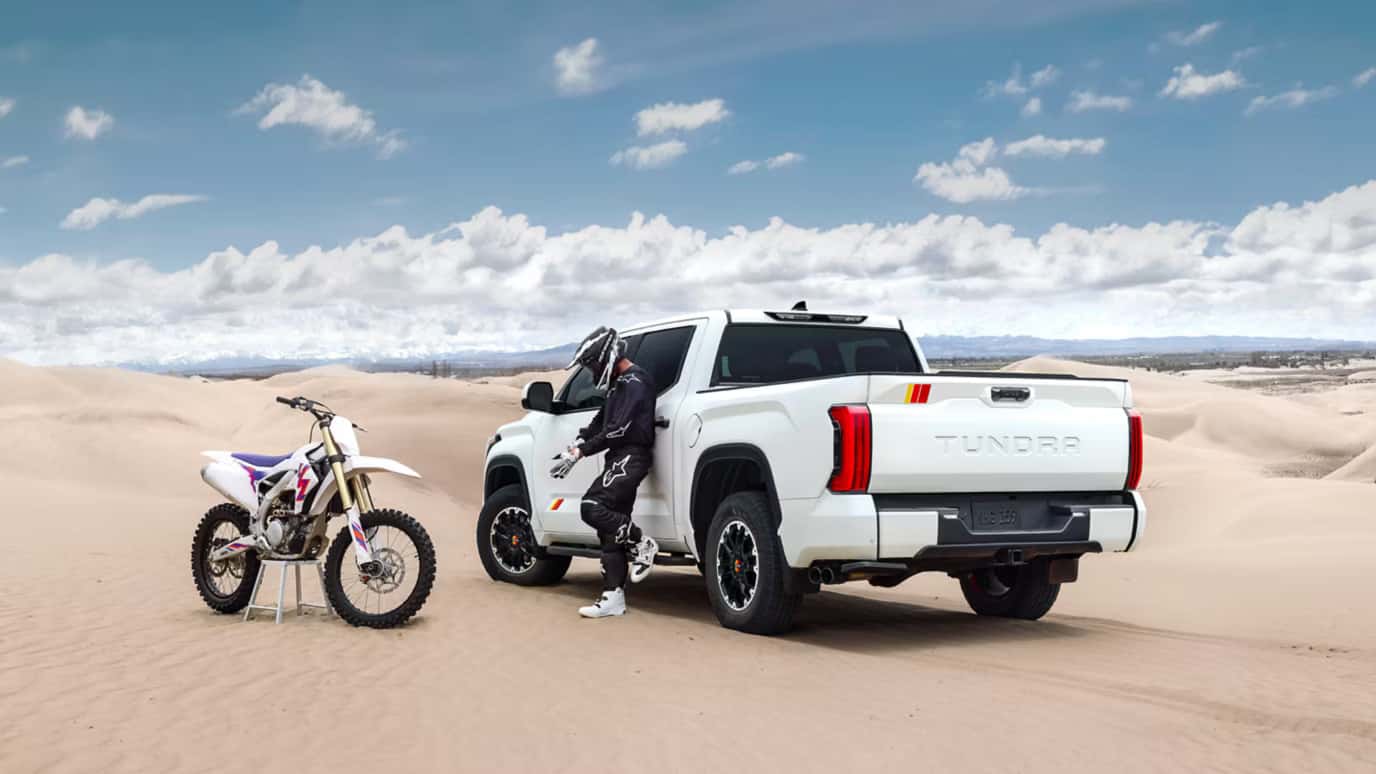

Our latest Toyota Tundra gives Auburn and Opelika drivers two very different flavors of the same full-size truck. The 2026 Tundra’s standard twin-turbo i-FORCE V6 keeps things simple, strong, and easy to live with. The available i-FORCE MAX hybrid adds an electric motor that gives the truck a quicker, heavier shove right at the start. On paper, both are impressive. In daily driving, the difference shows up in the moments that matter more: merging onto I-85, pulling through traffic with a trailer behind you, and deciding how often you want to stop for fuel during the week.
If you already know you want the hybrid setup, you can start with our Tundra i-FORCE MAX inventory. If you want to compare everything side by side, our full Tundra inventory is the better place to begin.
How the Two Powertrains Actually Feel
i-FORCE uses a twin-turbo V6 rated at 389 horsepower and 479 lb-ft of torque. Out on the road, it feels steady and predictable. It does not jump the instant you breathe on the pedal, but it builds speed cleanly and confidently. That makes it a good fit for drivers who want their truck to feel composed, familiar, and easy to manage on longer highway runs between Auburn, Montgomery, and beyond.
i-FORCE MAX takes that same basic foundation and adds an electric motor to the mix, bringing output to 437 horsepower and 583 lb-ft of torque. The big change is not just the extra power. It is where the truck delivers it. Around town, the electric assist gives the Tundra a more immediate push off the line, so stoplights, short merges, and quick lane changes feel easier and more effortless. It is still a Tundra, just with more urgency in the first half of the throttle.
Towing on Grades, In Heat, and With Real Traffic Around You
Towing is where both setups make a strong case for themselves. The 2026 Tundra can tow up to 12,000 pounds when properly equipped, and either powertrain has enough muscle for a trailer, a small camper, or weekend gear headed toward Lake Martin. The standard i-FORCE feels calm and linear under load. When traffic slows or the road tilts upward, it drops into the powerband without feeling frantic.
The i-FORCE MAX changes the feel more than the number. Because the electric motor fills in right away, the truck feels less hesitant when you need to get a trailer moving again after traffic compresses. That extra low-end torque makes it easier to match highway speed on shorter ramps and easier to make small speed corrections without feeling like the truck is searching for the right gear.
If you want to sketch out a truck payment with bed accessories, protection packages, or towing gear included, our Payment Calculator is the fastest way to see how the numbers move.
Passing Power and Highway Confidence
Some truck comparisons get buried in specs and forget what buyers actually feel behind the wheel. Around Lee County, one of the easiest differences to notice is how each powertrain handles short passing windows and highway merges.
i-FORCE has a strong, confident midrange. Once you are rolling, it pulls cleanly and stays relaxed at speed. If your week involves more steady commuting, open highway, and occasional towing, it feels like a very natural fit.
i-FORCE MAX feels quicker in the first beat of the maneuver. There is less pause between pedal input and response, which is especially noticeable when you are trying to merge briskly or get around slower traffic on a two-lane road. The truck feels more eager, and that can make it feel more relaxed because you spend less time waiting for power to show up.
If you want to drive both back to back and keep the shopping process moving, our finance application can help you get the paperwork started before you stop in.
Fuel Costs and Daily Efficiency
This is where the hybrid usually starts making the most sense for local driving. Auburn and Opelika traffic is not all wide-open highway. It is lights, short trips, campus traffic, errands, and constant little speed changes. Those are the situations where the i-FORCE MAX feels more efficient and more relaxed because the electric motor helps during low-speed acceleration and stop-and-go movement.
On longer highway stretches, both trucks settle in nicely. The difference is that the hybrid tends to make the around-town part of truck ownership easier on your fuel budget. If your miles stack up in short loops and busy traffic, you will feel that benefit more often than someone who spends most of the week cruising at a steady speed.
To get a more complete picture, it helps to run your monthly fuel habits alongside your payment options. Our Value Your Trade tool is useful here too, especially if your current truck or SUV has enough equity to change the math.
Ride Quality, Noise, and Everyday Comfort
Both powertrains benefit from the same strong Tundra platform, so the truck itself still feels planted and substantial no matter which one you choose. On I-85, both versions track straight, handle expansion joints well, and keep cabin noise from taking over the drive. That matters more than ever in a truck that may spend part of the week hauling gear and the rest of the week handling family duty.
The hybrid adds one small but noticeable layer of polish. At lower speeds, it feels smoother pulling away from a stop and a little less abrupt when traffic keeps bunching up. If you spend a lot of time in everyday city driving, that smoother response is something you will probably notice within the first few minutes.
Whichever version you choose, keeping it feeling its best comes down to routine maintenance. When it is time for oil changes, tire rotations, or inspections, you can handle that through our Service Department.
Which Tundra Makes More Sense for You?
If your truck life leans toward steady highway miles, occasional towing, and a more traditional full-size pickup feel, the standard i-FORCE is the easy answer. It is strong, refined, and straightforward. If your daily routine includes more stop-and-go driving, quicker merges, frequent acceleration changes, or you just like the idea of extra low-end torque, i-FORCE MAX is the more rewarding choice.
Neither one is the wrong answer. The better choice comes down to where your miles happen and how you want the truck to respond when you ask something from it. That is why we usually recommend driving both on the same route, especially if you can include a stretch of I-85 and a few lower-speed surface roads.
When you are ready, you can compare available trucks in our Tundra inventory, estimate payments with our Payment Calculator, see what your current vehicle is worth with Value Your Trade, and talk through protection plans or financing options with our Finance Center. Once you have the numbers in place, the test drive usually makes the choice a lot easier.
Frequently Asked Questions
What is the difference between Toyota Tundra i-FORCE and i-FORCE MAX?
The standard i-FORCE uses a twin-turbo V6, while i-FORCE MAX adds an electric motor to that setup. The hybrid feels quicker off the line and delivers more low-end torque, which makes it especially appealing for around-town driving and quick highway merges.
Is the Tundra i-FORCE MAX better for towing?
It can feel better in certain towing situations because the hybrid’s instant torque helps the truck respond more quickly after slowdowns or on shorter on-ramps. The standard i-FORCE is still very capable, so the better choice depends on how and where you tow.
Does the Tundra hybrid save fuel around town?
Yes, that is one of the hybrid’s biggest strengths. In stop-and-go driving, lower-speed traffic, and shorter local trips, the i-FORCE MAX usually feels more efficient than the standard gas setup.
Can I compare both Tundra powertrains at your Auburn dealership?
Yes. The easiest way to do that is to check our current Tundra and Tundra i-FORCE MAX inventory first, then plan a visit so you can drive both on roads that match your daily routine.
0 comment(s) so far on Tundra i-FORCE vs. i-FORCE MAX Hybrid: Towing, Passing Power & Fuel Costs