
What Are Toyota Certified Used Vehicles?
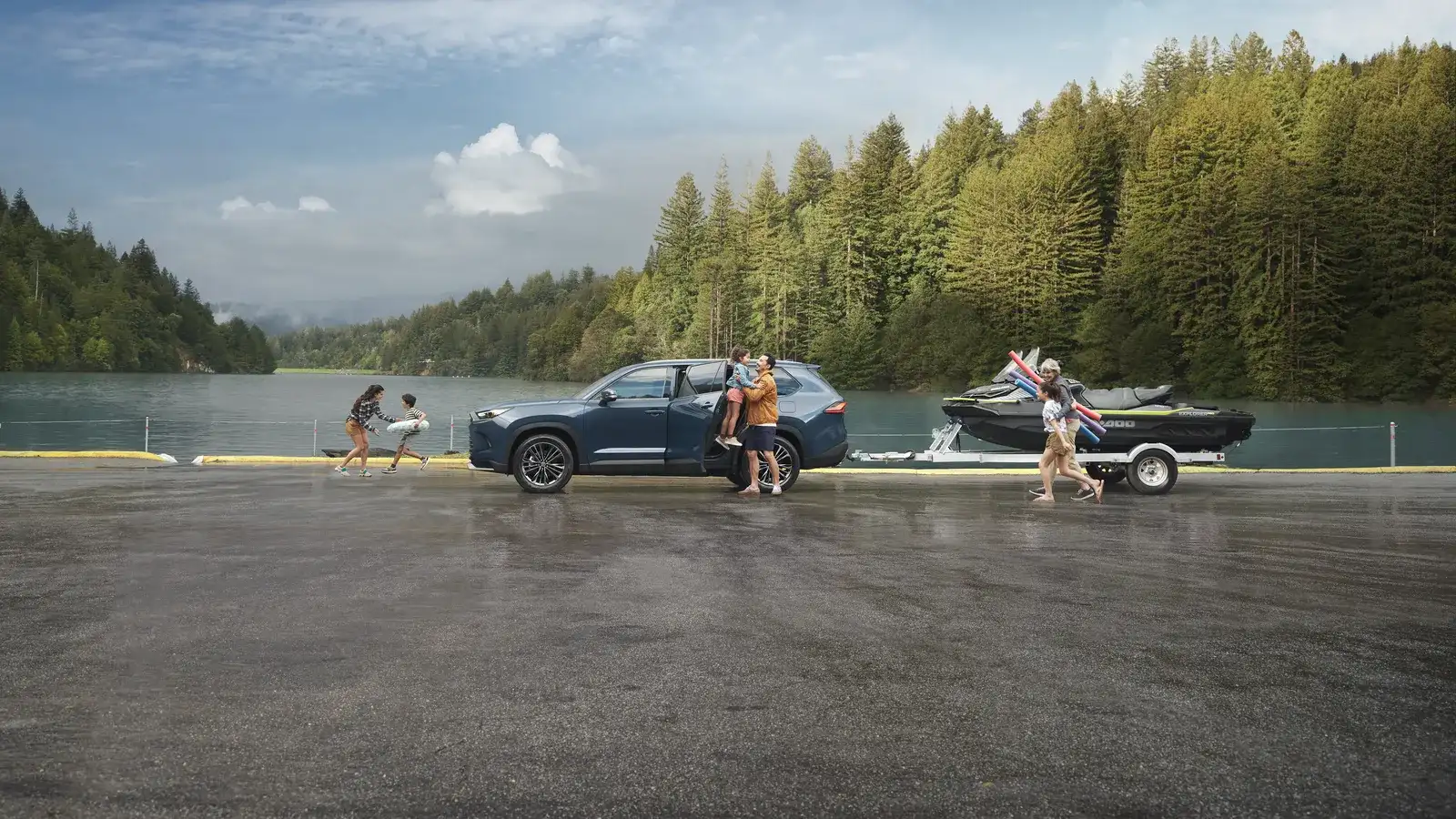
A late-model RAV4 with low miles may look like a great value, but its history, condition, and protection after purchase matter just as much as the price. So, what is Toyota certified used vehicles? The phrase generally refers to Toyota Certified Pre-Owned vehicles – qualifying used Toyota models that have passed a detailed inspection and include manufacturer-backed limited warranty coverage.
For drivers in Auburn, Opelika, Tuskegee, and nearby East Alabama communities, Toyota Certified Pre-Owned, often called Toyota CPO, can be a practical middle ground between buying new and buying a typical used vehicle. You get a pre-owned vehicle with a thorough review process and benefits that are not automatically included with every used-car purchase.
What Are Toyota Certified Used Vehicles?
Toyota Certified Used Vehicles are eligible Toyota models that meet age and mileage requirements, pass a 160-point quality assurance inspection, and are reconditioned as needed before being offered as Certified Pre-Owned vehicles. They also come with specific limited warranty and roadside assistance benefits set by Toyota.
Not every used Toyota qualifies. A vehicle must meet Toyota’s program standards before certification. For Gold Certified status, that generally means it must be no more than six model years old with 85,000 miles or fewer. Toyota’s Silver Certified tier accepts eligible vehicles up to 10 model years old with up to 125,000 miles, with more limited coverage. The dealership also reviews the vehicle’s history and overall condition as part of the process.
That distinction is meaningful when comparing two similar used Highlanders, Tacomas, or Priuses. One may simply be a used vehicle offered as-is or with limited dealer coverage. The other may be a Toyota CPO vehicle with inspection documentation and manufacturer-backed protections. Neither choice is automatically right for every shopper, but they are not identical purchases.
What the Toyota CPO Inspection Covers
The 160-point inspection is designed to assess key vehicle systems, condition, and functionality before a Toyota can be certified. Factory-trained technicians inspect areas that affect safety, performance, and day-to-day ownership, then address qualifying items needed to meet Toyota CPO standards.
The inspection includes a review of the vehicle’s engine and transmission operation, steering and suspension, brakes, tires, battery, electrical features, heating and air conditioning, body condition, and interior equipment. Technicians also confirm the vehicle performs properly on a road test.
For a family looking at a used Highlander, that process can offer extra reassurance around major systems and passenger-facing features. For a truck shopper considering a Tacoma or Tundra, it can help provide more confidence in the vehicle’s mechanical condition before it becomes part of a workweek, a hunting trip, or a weekend towing plan.
Still, certification should not replace a shopper’s own review. Ask for the vehicle history report, inspect the features that matter to you, and take a meaningful test drive. If you need room for car seats, bring one. If you plan to tow, confirm the specific truck’s equipment and rated capacity. A Certified Pre-Owned label is valuable, but matching the vehicle to your needs remains essential.
Toyota Certified Pre-Owned Warranty Coverage
Warranty coverage is one of the main reasons shoppers consider Toyota CPO. Gold Certified Toyota vehicles typically include a 12-month/12,000-mile Comprehensive Limited Warranty that begins on the certified purchase date. They also include a 7-year/100,000-mile Limited Powertrain Warranty, with the mileage limit based on total vehicle miles.
The comprehensive coverage is intended to provide protection beyond the original factory warranty period for covered components. The powertrain coverage focuses on major components such as the engine and transmission. Gold Certified vehicles also include 7 years or 100,000 miles of roadside assistance from the date of certified purchase, and Silver Certified vehicles include 12 months.
Terms, exclusions, and eligibility details apply, and coverage can differ based on the vehicle and program terms in effect at the time of purchase. A good dealership should walk through the actual warranty paperwork with you instead of relying on a quick verbal explanation. Ask when the original in-service date was, how much original warranty remains, and what coverage applies to the vehicle you are considering.
For hybrid shoppers, the conversation deserves an extra minute. A Certified Pre-Owned Prius, RAV4 Hybrid, or plug-in model may still have portions of its original hybrid-related coverage remaining, depending on age and mileage. Review the vehicle-specific warranty information carefully, especially if long-term battery coverage is a deciding factor.
Certified Pre-Owned vs. Used Toyota: What Is the Difference?
A used Toyota can still be an excellent vehicle. Toyota’s reputation for long-term dependability is a major reason many shoppers seek out used Camrys, Corollas, RAV4s, Tacomas, and Tundras. But a standard used Toyota is not necessarily inspected, reconditioned, or backed in the same way as a Toyota Certified Pre-Owned model.
The most direct difference is that Toyota CPO requires the vehicle to meet program eligibility standards and pass the 160-point inspection. It includes specific limited warranty coverage and roadside assistance. A non-certified used vehicle may have a lower price, more model-year choices, or more availability, particularly if you are shopping on a strict budget.
That creates a real trade-off. A Certified Pre-Owned RAV4 may cost more than a comparable non-certified RAV4, but the added inspection and warranty benefits can justify the difference for a buyer who values confidence and predictable ownership. On the other hand, a value-focused buyer might choose a well-maintained older Toyota and reserve the savings for a down payment, accessories, or future service.
Is Toyota CPO Better Than Buying New?
Toyota CPO is not automatically better than new. It depends on your budget, desired features, financing options, and how long you plan to keep the vehicle.
A new Toyota can offer the latest safety technology, current styling, full new-vehicle warranty coverage, and access to models or trims that may be hard to find pre-owned. This can be especially appealing for buyers interested in a new bZ model, a RAV4 Plug-in Hybrid, or a specific Tacoma configuration.
A Toyota Certified Pre-Owned vehicle may offer lower upfront cost while still providing meaningful warranty protection. It can be especially compelling for shoppers who want a recent model year and modern features but do not need the newest design or every available option.
Financing can affect the comparison, too. The payment is shaped by the vehicle price, down payment, term length, credit profile, and available offers – not just whether the vehicle is new or used. Before deciding, compare total cost, estimated payment, insurance, fuel use, and expected maintenance. A lower vehicle price does not always produce the lowest overall ownership cost.
Questions to Ask Before You Buy a Toyota CPO Vehicle
Start by confirming that the vehicle is officially Toyota Certified Pre-Owned, not simply described as “certified” by the dealership. Then ask to review the inspection results, vehicle history report, warranty terms, and any reconditioning completed before sale.
It is also smart to ask about remaining factory coverage, tire condition, brake life, key availability, and whether all features work as expected. If you are comparing a RAV4 and Highlander, test the rear-seat space and cargo area with your actual routine in mind. If you are looking at a Tacoma versus a Tundra, be honest about bed size, passenger needs, towing demands, and fuel costs.
At Allen Turner Toyota of Auburn, the goal is to help East Alabama shoppers make a choice they can feel good about long after delivery. That means explaining the difference between certified and non-certified inventory clearly, reviewing purchase and financing options without pressure, and being available when your Toyota needs service down the road.
The best next step is to browse available Toyota Certified Pre-Owned inventory, compare it with new and other used options, and take a test drive that reflects your real life. Bring your questions, your budget priorities, and the people or gear you expect to carry. A well-chosen Toyota should fit more than your driveway – it should fit the years ahead.
Frequently Asked Questions
Are Toyota Certified Used Vehicles sold only at Toyota dealers?
Yes. Toyota Certified Used Vehicles are sold through participating Toyota dealers. A vehicle described as certified elsewhere may have a different program behind it. At Allen Turner Toyota of Auburn, ask to see the Toyota certification paperwork for any vehicle labeled as certified.
Does a Toyota Certified vehicle come with a vehicle history report?
Toyota requires a CARFAX vehicle history report for each certified vehicle, and buyers receive it at no added cost. Read it closely for accidents, title issues and service records, and ask questions about anything that is unclear before you buy.
Can I return a Toyota Certified vehicle if I change my mind?
Return policies are set by the selling dealer, not by the certified program, and Alabama does not require a general cooling-off period for vehicle purchases. Ask about any return or exchange policy before signing, and take a thorough test drive so you are confident in your choice.
Are Toyota Certified vehicles a good option for first-time buyers in Auburn?
Certified inventory includes a range of models and price points, from compact cars to trucks. First-time buyers, including Auburn University students and recent graduates, can browse certified inventory and talk with the finance team about options that fit their budget and credit history.
0 comment(s) so far on What Are Toyota Certified Used Vehicles?