
Toyota bZ Charging at Home: What You Need
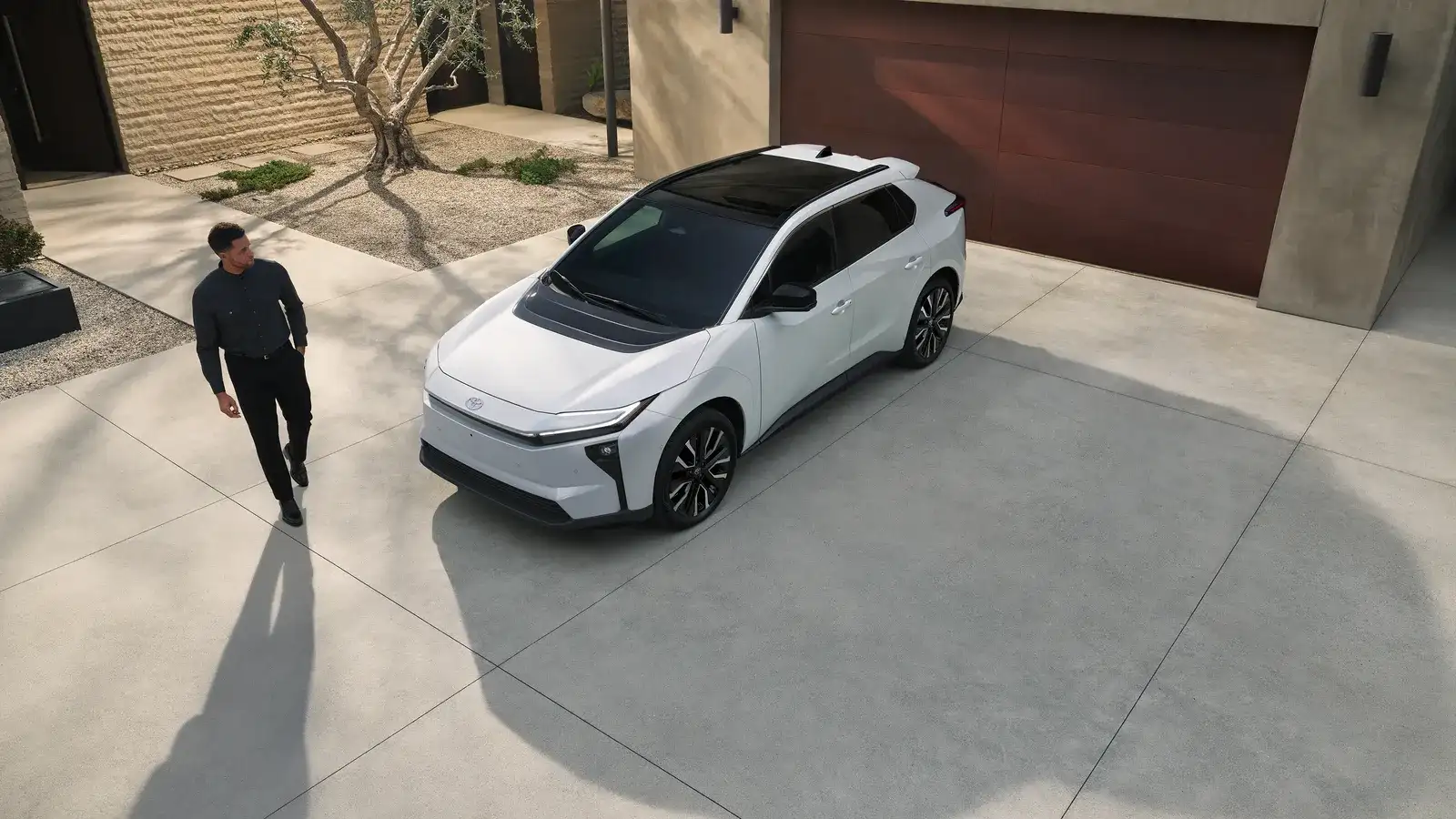
A Toyota bZ can spend the night doing the work while you sleep. For many East Alabama drivers, that changes the EV ownership experience: instead of making a special stop for fuel, you plug in at home, wake up with a replenished battery, and head toward Auburn, Opelika, Tuskegee, or wherever the day takes you.
Toyota bZ charging at home is straightforward, but the best setup depends on your daily mileage, your electrical panel, the model year you choose, and how long you plan to keep the vehicle. A standard wall outlet may be enough for a low-mileage household. A professionally installed Level 2 charger is usually the better fit for drivers who want faster overnight charging and more flexibility.
The short answer on Toyota bZ charging at home
Most owners will get the most convenient experience from a 240-volt Level 2 home charger. It can typically recharge a Toyota bZ overnight, making it easier to start each morning with the range you need.
A 120-volt household outlet, often called Level 1 charging, can also charge the vehicle. It is slower, though, and is best for drivers with modest daily travel or for occasional use at a second home. Public DC fast charging is useful for road trips, but it is not the everyday solution most homeowners rely on.
The exact time and equipment compatibility can vary by Toyota bZ model year and configuration. Before selecting equipment, confirm the charging details for the specific vehicle you are considering.
Level 1 vs. Level 2 home charging
The key difference is not whether your Toyota bZ will charge. Both options can work. The difference is how quickly energy returns to the battery.
Level 1: the outlet already in your garage
Level 1 charging uses a regular 120-volt outlet and the portable charging cable supplied with many EVs. It is convenient because it usually requires no new charging equipment. However, it adds range gradually – often only a few miles per hour of charging.
That can be perfectly workable for someone in Loachapoka, Waverly, or Society Hill who drives a short distance each day, parks for long periods, and has a dedicated outlet in good condition. If you drive 20 to 30 miles on a typical weekday, an overnight plug-in may replace much or all of that use.
The trade-off is recovery time. After a long day of errands, a weekend trip, or several days without plugging in, Level 1 charging may take multiple days to bring the battery close to full. It also should not be treated casually: use a properly grounded outlet, avoid extension cords, and have any questionable wiring inspected by a qualified electrician.
Level 2: the everyday answer for most households
Level 2 charging uses a 240-volt circuit, similar to the electrical service used by many dryers, ranges, or shop equipment. A Level 2 charging unit and correctly sized circuit can add substantially more range per hour than Level 1 charging.
For most Toyota bZ owners, this means plugging in after dinner and having the vehicle ready by morning. It also gives a household more margin. You do not have to plug in every single night, and a busy day around Lee County is less likely to disrupt your routine.
A Level 2 charger does not necessarily charge at its maximum advertised output. The vehicle has its own onboard charging limit, and your home’s electrical capacity matters too. An electrician can help determine whether a 40-amp, 50-amp, or other appropriate circuit makes sense for your garage and your expected use.
How long does a Toyota bZ take to charge at home?
Charging time depends on battery state of charge, outdoor temperature, the vehicle’s onboard AC charging capability, and the power available from your outlet or Level 2 equipment. A battery that is already half full will naturally take much less time than one that is nearly depleted.
As a practical rule, Level 1 charging is measured in days for a near-full recharge, while Level 2 charging is generally an overnight task. That is why a Level 2 installation is worth considering if your Toyota bZ will be the primary vehicle for a family in Beauregard, Salem, or Notasulga.
You also do not need to charge to 100% every night. Many EV owners simply plug in when convenient and set a charge schedule that matches their departure time. This approach lets the vehicle be ready for regular driving without making charging another item on the to-do list.
What to check before installing a Level 2 charger
The charger itself is only one part of the project. The home’s electrical system determines what can be safely installed. An electrician should review your main panel capacity, available breaker space, garage location, wire run, grounding, and whether a load calculation is needed.
If your panel is full or your garage is far from it, installation can become more involved. That does not mean home charging is off the table. It simply means the best solution may include panel work, a different charging location, or equipment selected to fit the available capacity.
Choose a charging unit listed by a recognized testing laboratory and designed for home use. Features such as Wi-Fi controls, energy tracking, scheduled charging, and a longer cable can be useful, but they are not required for reliable charging. Prioritize safe installation, weather protection if the unit will be outdoors, and a cable length that reaches the Toyota bZ’s charge port without stretching across a walkway.
If you rent your home or live in a townhome, start with the property owner or association. Permission, parking arrangements, and electrical access often matter as much as the charger selection.
Will home charging raise your electric bill?
Yes, charging adds electricity use, but the actual change depends on how many miles you drive, the efficiency of the vehicle, and your utility rate. The useful comparison is not just the electric bill by itself. It is the electricity used at home compared with the gasoline you would otherwise buy.
A Level 2 charger is more powerful, but it does not automatically mean it uses more energy for the same number of miles. It delivers energy faster. The total energy needed is driven primarily by your driving and charging losses, not by whether you charge over several days on Level 1 or overnight on Level 2.
Ask your utility provider whether time-of-use rates are available. If off-peak electricity costs less overnight, scheduled charging may help lower operating costs. This is also a reason to select a charger or vehicle setting that allows scheduled starts and stops.
Home charging habits that make ownership easier
The most useful EV habit is simple: plug in when you are home and have access to your normal parking spot. You do not need to wait until the battery is low. Regular, convenient charging reduces the chance that you will need a rapid recharge before an unexpected trip.
Cold weather, heavy rain, high speeds, cargo, and running climate control can affect driving range, as they can with every electric vehicle. East Alabama winters are generally mild, but it is still smart to leave a little range buffer before a longer drive. Preconditioning the cabin while the vehicle remains plugged in can also help you begin the trip more comfortably without drawing as much energy from the battery.
For trips beyond your usual routine, use the vehicle’s route-planning tools and identify charging stops before you leave. Home charging handles everyday driving well; public charging expands your travel options when the destination is farther away.
Is a Toyota bZ a fit for your household?
A Toyota bZ can be especially practical for households with reliable overnight parking, a garage or driveway, and predictable daily travel. It may be less convenient for drivers without home charging, those who regularly cover long distances with limited charging breaks, or homes that cannot easily support a dedicated circuit.
That is not a reason to rule it out before asking questions. A test drive and a conversation about your commute, parking setup, and household vehicles can clarify whether Level 1 charging is sufficient or whether Level 2 is the better long-term choice. Allen Turner Toyota of Auburn can help you compare Toyota bZ options with hybrid and plug-in alternatives, then help you plan a charging routine that fits the way you actually drive.
Frequently Asked Questions
Do I need a permit to install a Level 2 charger in Lee County?
Many local jurisdictions require an electrical permit for a new 240-volt circuit. Requirements differ between the City of Auburn, Opelika and unincorporated Lee County, so ask a licensed electrician to confirm what applies at your address and to handle any permit and inspection as part of the installation.
Is there a federal tax credit for a Toyota bZ or a home charger?
The federal clean vehicle credits for new and used EVs ended for vehicles acquired after September 30. Check with a tax professional about any remaining incentives for home charging equipment, and ask your electric utility whether it offers rebates or special rates for EV charging at home.
Can I charge a Toyota bZ at a Tesla Supercharger?
Toyota has adopted the NACS charging port on newer bZ models, which opens access to many Tesla Supercharger locations. Access and adapter needs can depend on the model year, so confirm the charge port and supported networks for the specific bZ you are considering before relying on a station.
Will a bZ charge in an Alabama summer heat wave?
Yes. The vehicle manages battery temperature while charging, though very hot weather can slow fast charging and running the air conditioning uses some energy. Parking in shade or a garage and scheduling charging for cooler overnight hours can help keep home charging efficient during long Alabama summers.
0 comment(s) so far on Toyota bZ Charging at Home: What You Need